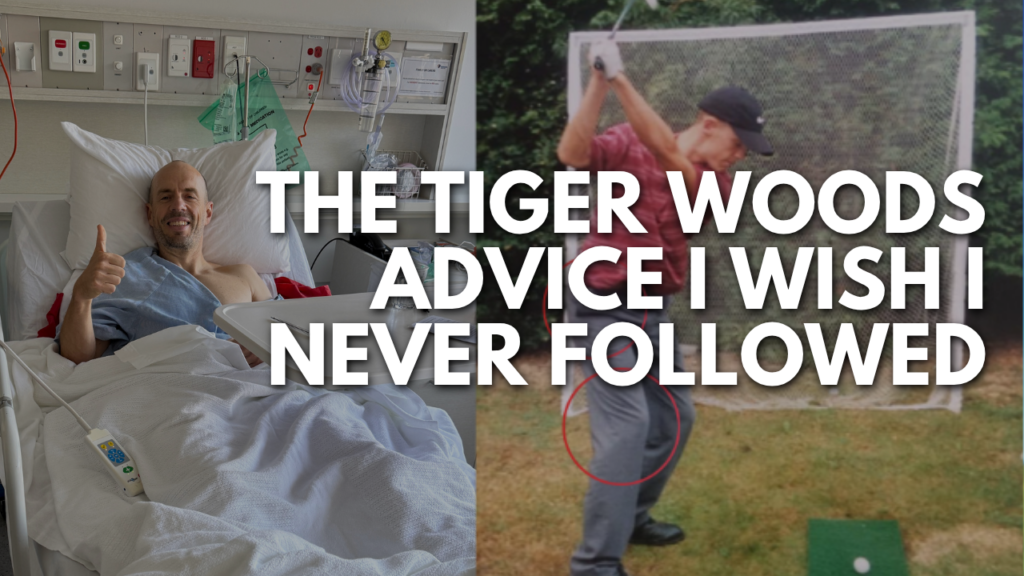
The Tiger Woods advice I wish I never followed
When I was younger, Tiger Woods was everything to me. Like a lot of golfers growing up in that era, he was the reason I fell in love with the game after my dad introduced me to golf at 13. I had his book How I Play Golf (released in 2001), and I was completely obsessed with it.
I used to sit there for hours studying the fold-out pages where he broke his swing down frame by frame, from setup all the way through to the finish, trying to copy every single position.
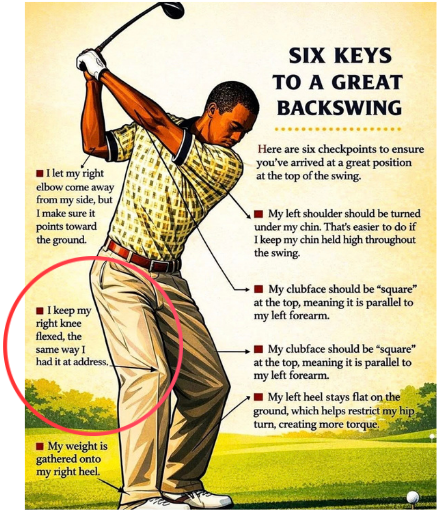
There was one particular part of that book that I remember focusing on more than anything. It was a section on the backswing, where Tiger talked about keeping his right knee flexed the same as it was at address. At the time, I didn’t question it. I just assumed it was something I needed to do if I wanted to swing like him.
Where things started to go wrong
Looking back now, this is where things probably started going wrong for me. As a kid, I took that advice very literally, and I worked hard at trying to keep my trail leg in exactly the same flex throughout the backswing. The problem was, by doing that, I completely restricted my ability to turn my hips properly.
Here’s a photo of me as a junior trying to copy that exact move.
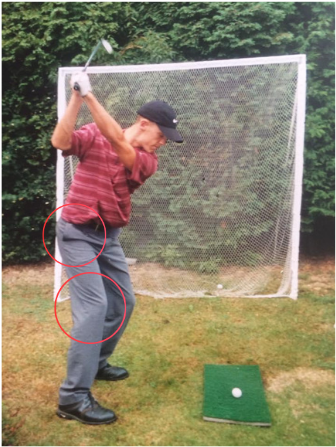
You can see it straight away. By trying to “hold” that position, I wasn’t allowing my hip to move freely. So instead of rotating properly, I started trying to create more coil by winding deeper into my hip joint itself. And I did that over and over again, hitting balls for hours a day during some pretty important growth years.
Now, I’m not sitting here blaming Tiger for what’s happened to my hips. But it does highlight something really important - we have to be careful with the information we take on board. If we believe something is correct and then repeat it thousands of times, especially when our body doesn’t actually move that way, it can take us down a path that isn’t ideal long term.
The long-term impact of repetition
There’s actually a growing body of research now that shows repetitive stress through movements like hip flexion and internal rotation during skeletal development can lead to structural changes in the joint, such as cam lesions (extra bone growth). When I read that now, it hits pretty close to home, because that’s exactly the type of movement pattern I was repeating day in, day out.
To be fair, golf wasn’t the only factor. Before that, I played a lot of soccer - multiple games on weekends, training sessions during the week, plenty of running on hard surfaces. So it was likely a combination of things. But golf was where I really started repeating that same pattern over and over again with intent.
Even as a professional, I hadn’t fixed it
What’s interesting is that this didn’t just stop when I got older. Even when I turned professional at 21, I still hadn’t really addressed it.
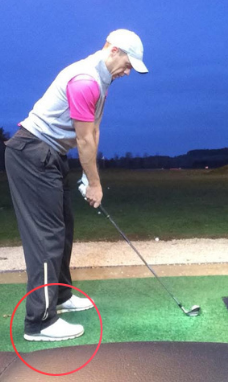
This photo was taken about 8 years ago when I was 33, and you can still see the same issue. My trail foot is square, there’s no real freedom for the hip to turn, and I’m still creating that same kind of restriction. Looking back now, I honestly wonder why I - or any coach around me at the time - didn’t pick this up earlier.
It wasn’t until I started diving much deeper into understanding how the body actually works in the golf swing that things began to change. And interestingly, the changes I made were incredibly simple.
I slightly flared my trail foot at setup - nothing excessive, just enough to allow for a bit more rotation. Then during the backswing, I allowed my trail leg to extend slightly. Not locking it out, not forcing it straight, but just enough to let the hip move up and back around me instead of feeling like I was winding into it.
Those two changes alone immediately took pressure off my right hip. I wasn’t trying to create torque by forcing movement into a joint that didn’t want to move that way anymore.
Where I am now - and the real lesson
Unfortunately, by that point, the damage had already started to build. About five years ago, I began experiencing more consistent pain in my right hip - not just in the golf swing, but even walking around the course and going about everyday life. That led me down the path of getting assessed, having scans, and eventually being diagnosed with FAI.
From there, it’s been a five-year journey of trying to manage things conservatively - physio, modifying training, reducing how much I played - but it also meant stepping away from competitive golf and dealing with the frustration of not being able to enjoy the game in the same way.
More recently, my left hip started showing similar signs, which ultimately led to the decision to go ahead with surgery. Right now, I’m recovering from the first operation, with the second one coming up soon.
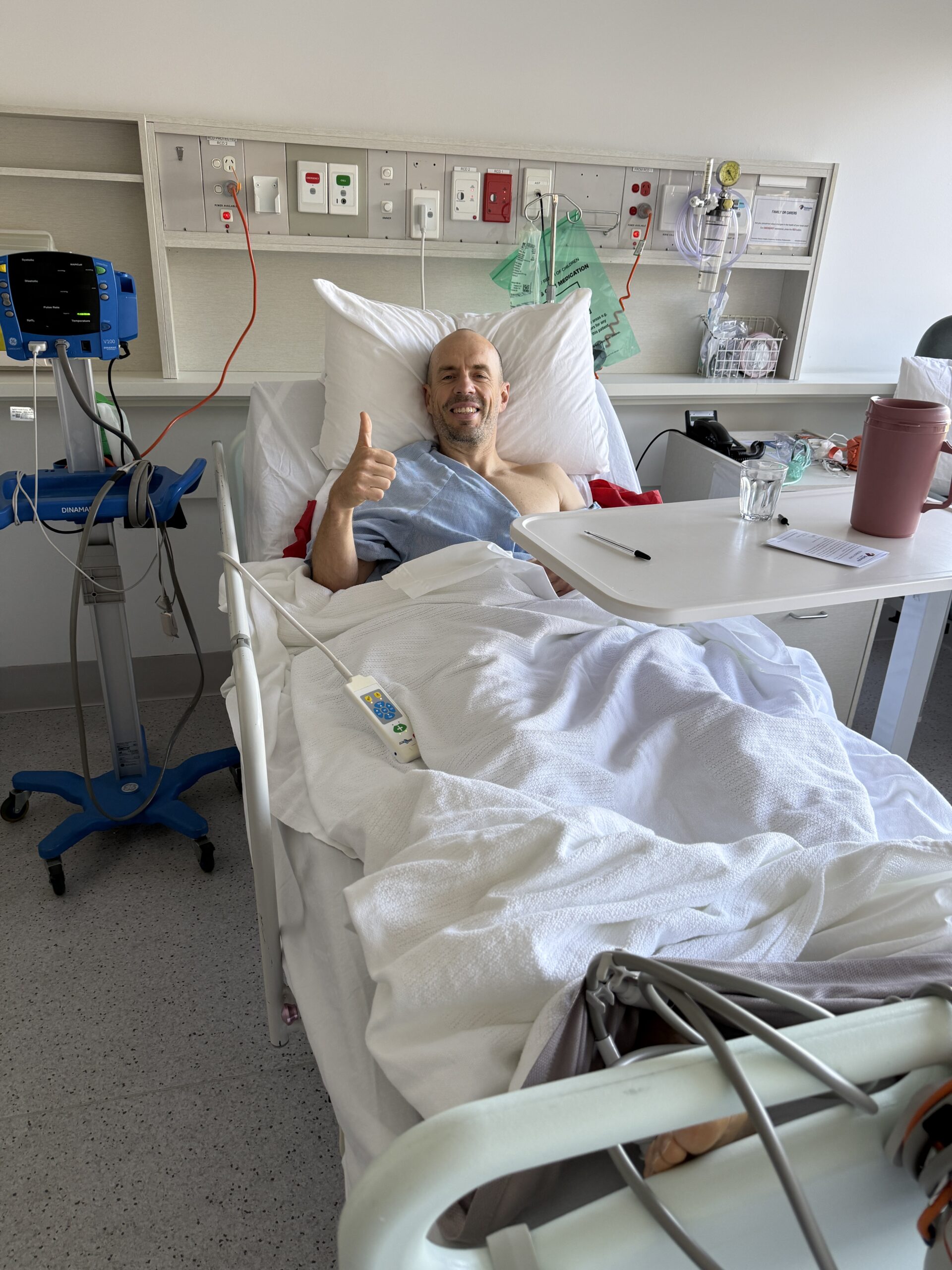
And of course, there’s a part of me that does wonder… could things have been different if I had understood this earlier? If I’d made those small setup and movement changes years before?
Maybe. Maybe not.
But at the same time, I wouldn’t change the path I took. I had an incredible childhood growing up playing sport, and I loved every minute of it.
The real lesson in all of this isn’t about blaming a piece of advice. It’s about understanding that your golf swing has to match your body - not someone else’s.
If you have limitations, whether that’s in your hips, your back, or your shoulders, trying to force positions you’ve seen from elite players can sometimes do more harm than good.
How this changed the way I coach
This whole experience has completely changed the way I approach coaching. It’s made me far more aware of the person in front of me, whether that’s in person or online. Everyone moves differently, everyone has their own set of limitations, and because of that, I’ll never ask a golfer to try and force a movement that their body simply can’t achieve.
There’s always a better way.
Yes, I have a structured system that I use in my coaching, but it’s always adapted to the individual. That’s a big part of what I call The Malcolm Method - having a clear pathway to improvement, but applying it in a way that actually fits the golfer.
If you feel like your body is limiting your swing, or you’ve been trying to force positions that just don’t feel right, that’s exactly what I help golfers work through.
Through my online courses and academy, I take you through a structured system to improve your ball striking, but in a way that works for your movement, your limitations, and your game.
I’ll be sharing more on this soon, along with some updates on what I’ve been building behind the scenes.
But if this resonated with you, it might be a sign that you don’t need to try harder…
You just need a better approach.
If you found this helpful and want more swing improvement tips, check out my other blogs, along with many more FREE Tips on my YouTube channel. Let me know in the comments if you have any questions.